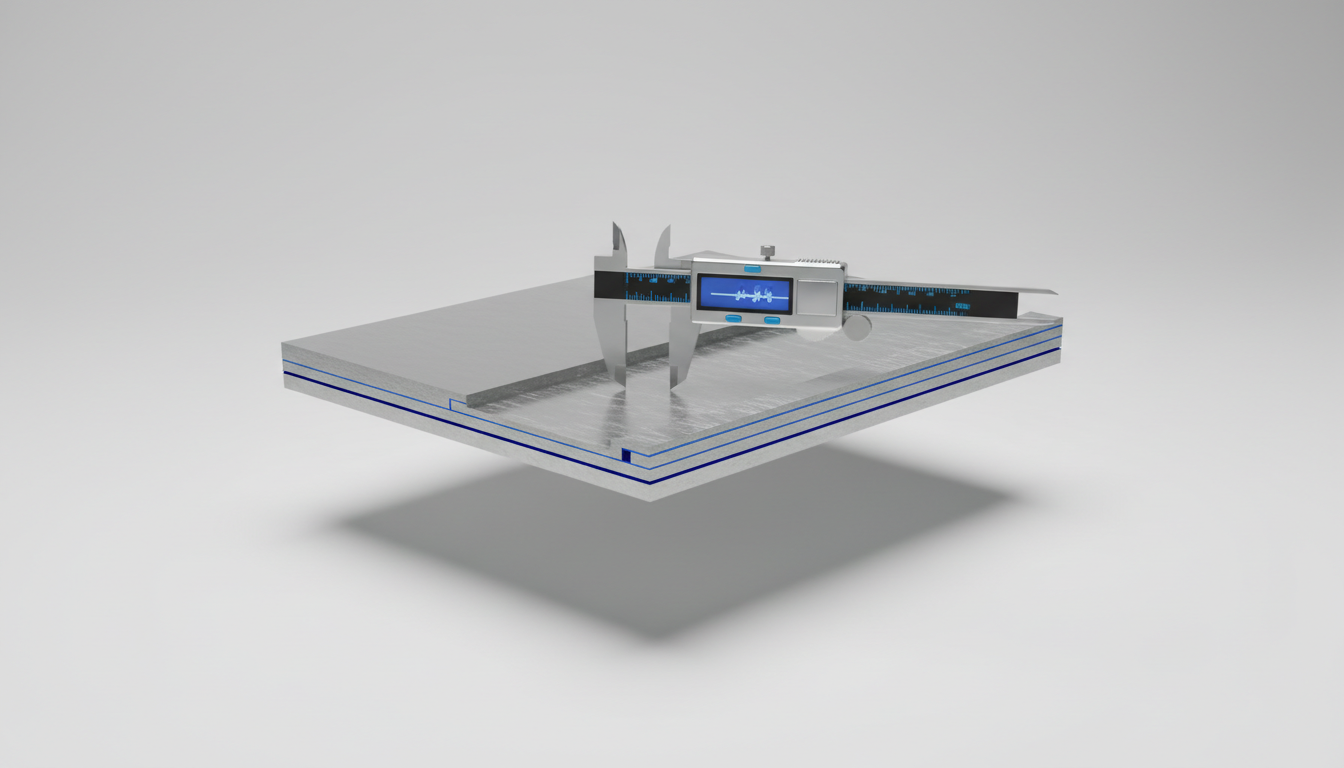
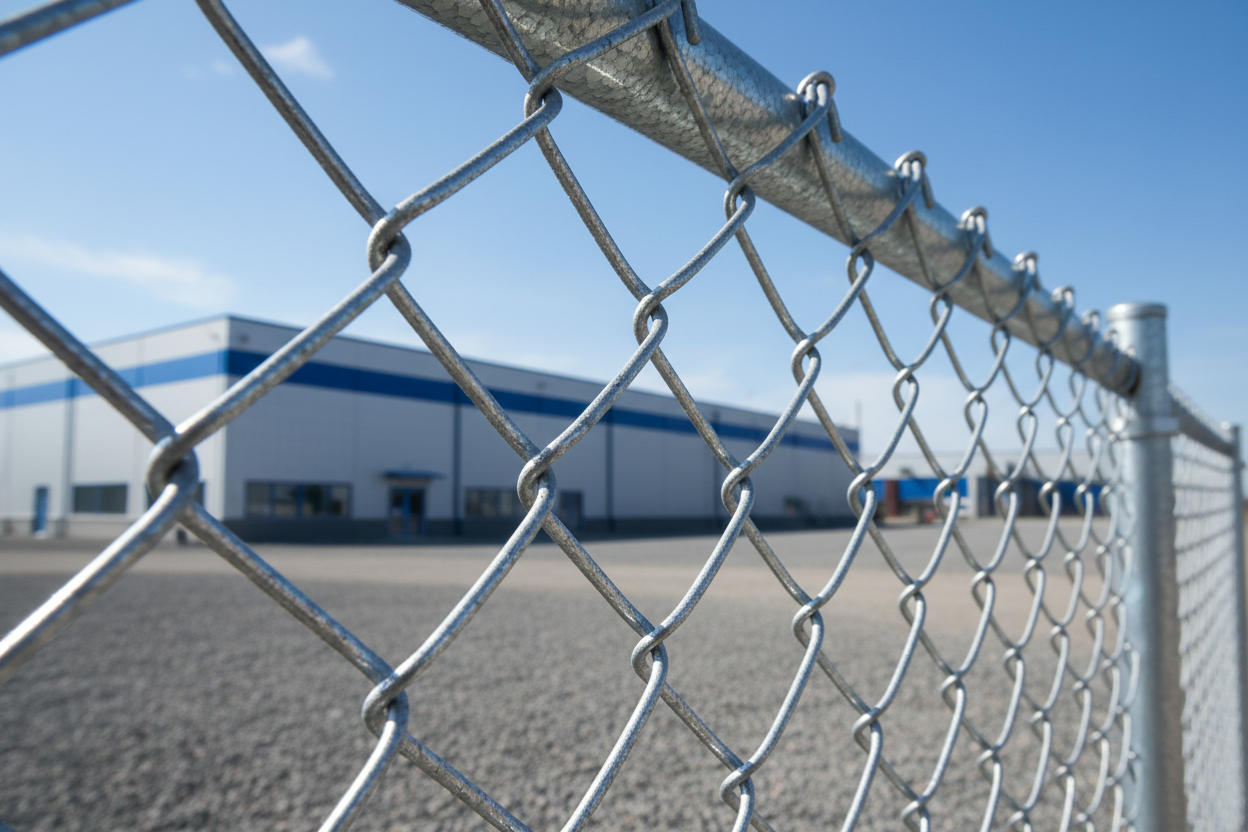
GI is steel coated with zinc — widely used for general fabrication, ducting, light framing, fencing, and indoor or semi-protected applications.
In aggressive conditions with moisture, salt, or poor drainage, a basic zinc coating may not provide the expected service life.
GI works well when the application is suitable. Problems occur when it is used outside its practical limit.
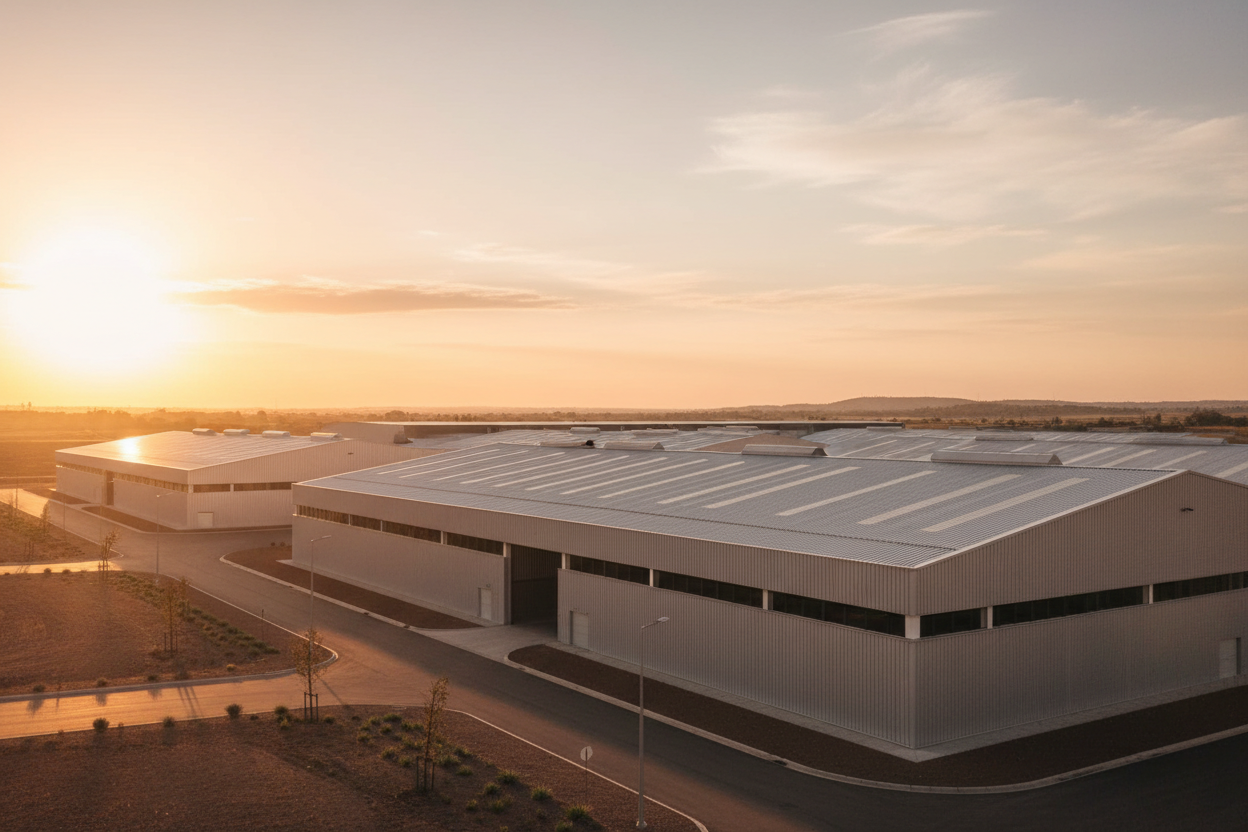
GL (aluminium-zinc coated) is commonly used for roofing, wall cladding, and building envelope applications, valued for corrosion resistance and heat reflectivity.
Cut edges, fastener points, and storage conditions still affect performance — a good coating does not replace good installation.
PPGI and PPGL are selected for colour, appearance, and weather resistance — not just corrosion protection.
"Pre-painted" is not one quality level. A buyer should check:
A low-cost paint system may look fine at delivery. The real test comes after sunlight, rain, humidity, and heat exposure.
Thickness is easy to compare, but it is only one part of the decision. A cheaper coil with the same thickness may fail if the coating or paint system is weaker.
Comparing coated steel only by thickness and price can be misleading.