In a fast-moving world, we choose to slow down. We heal ecosystems, one farm at a time.
Every Day, We Bring Food Home To The People We Love, Yet We Rarely Know The Truth Behind The Ingredients. How Were They Grown? What Did They Carry With Them? In A World Of Abundance, We Have Traded Transparency For Convenience, Leaving A Quiet Anxiety At The Dinner Table. We Eat What Is Available, While Wishing For A Safer, Clearer Choice.
To Feed This Fast-Moving World, The Land Has Been Pushed Far Beyond Its Biological Limits. The Traditional Loop Of Intensive Plowing, Forced Monoculture, And Heavy Chemical Reliance Has Left The Soil Silent And Sterile. Topsoil Is Eroding, Natural Biodiversity Is Dying, And Yields Are Declining.
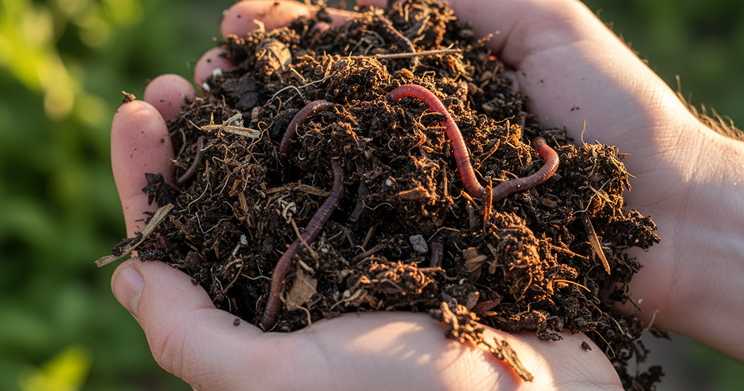
At Mareso, regenerative farming is not just a collection of techniques; it is a quiet, steady philosophy. It is about actively working with nature’s rhythms instead of forcing our artificial commercial timelines onto it. Every single practice we adopt is a mindful gesture of care for the soil beneath us and the future ahead of us.
Finished rice passes through magnetic separators and metal detectors to eliminate foreign matter.
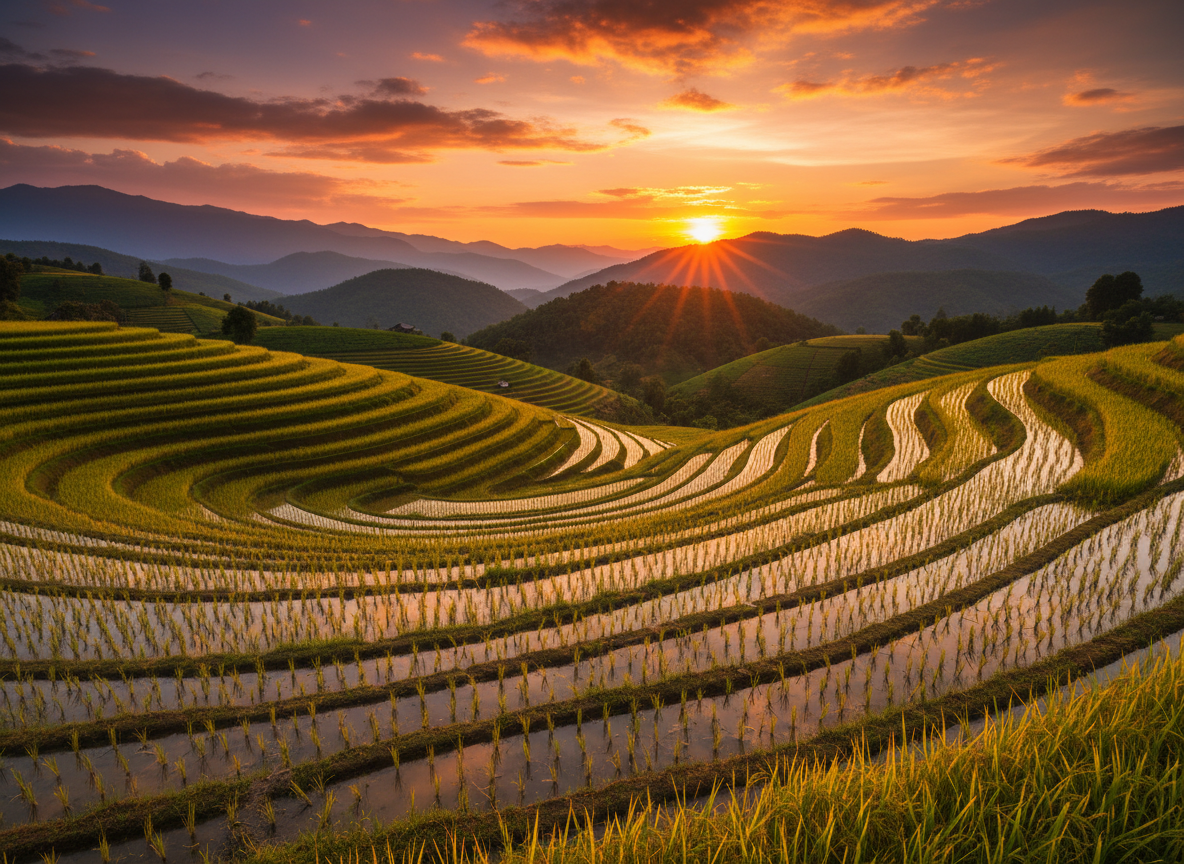
Alternating between premium rice lines and vital legumes like black soybeans.
Restores nitrogen balance naturally, breaks pest cycles, and keeps the soil ecosystem diverse.
Rotating rice with black soybeans does far more than replenish nitrogen. The Rhizobium bacteria living symbiotically within soybean root nodules can fix up to 150–200 kg of atmospheric nitrogen per hectare per year.
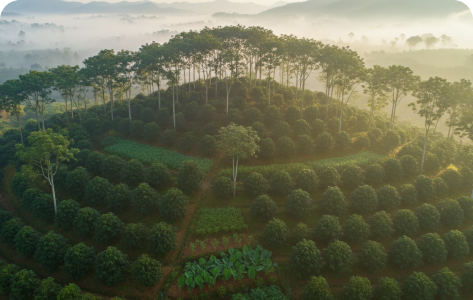
At our highland farm, the three-tier intercropping structure functions as a designed analogue of secondary tropical forest, increasing overall water-use efficiency by approximately 35%.
Finished rice passes through magnetic separators and metal detectors to eliminate foreign matter.
Alternating between premium rice lines and vital legumes like black soybeans.
Restores nitrogen balance naturally, breaks pest cycles, and keeps the soil ecosystem diverse.
Rotating rice with black soybeans does far more than replenish nitrogen. The Rhizobium bacteria living symbiotically within soybean root nodules can fix up to 150–200 kg of atmospheric nitrogen per hectare per year.
At our highland farm, the three-tier intercropping structure functions as a designed analogue of secondary tropical forest, increasing overall water-use efficiency by approximately 35%.
Finished rice passes through magnetic separators and metal detectors to eliminate foreign matter.
Alternating between premium rice lines and vital legumes like black soybeans.
Restores nitrogen balance naturally, breaks pest cycles, and keeps the soil ecosystem diverse.
Rotating rice with black soybeans does far more than replenish nitrogen. The Rhizobium bacteria living symbiotically within soybean root nodules can fix up to 150–200 kg of atmospheric nitrogen per hectare per year.
At our highland farm, the three-tier intercropping structure functions as a designed analogue of secondary tropical forest, increasing overall water-use efficiency by approximately 35%.
• Over a 5-year cycle, soil vitality is fundamentally restored, building a robust foundation for crop nutrition and carbon capture.
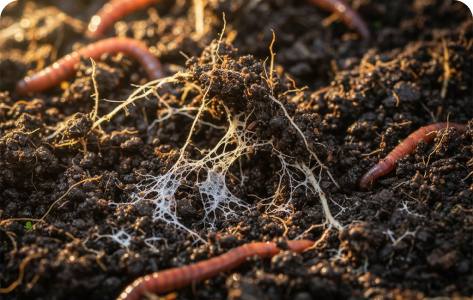
• Across our model farms, the living soil structure acts as a natural sponge, securing a resilient and drought-resistant water supply.
We are on target for ALL premium coffee, coconut, and rice plantations to be 100% chemical fertilizer free, ensuring pure, safe products.
This flagship site serves as our primary model for multi-layer agroforestry and canopy management. By layering high-canopy macadamia with shadow-loving coffee and nitrogen-fixing black soybeans, we mimic a natural forest structure.